
What causes subsidence?
Common causes include shrinkable clay soil, tree root moisture demand, leaking drains, washed-out ground, poor compaction, historic mining or made ground and shallow foundations on older properties.
Resource guide
Subsidence is downward movement of the ground that causes part of a building to lose support. It can create cracks, distortion, uneven floors and problems with doors or windows.
Common causes include shrinkable clay soil, tree root moisture demand, leaking drains, washed-out ground, poor compaction, historic mining or made ground and shallow foundations on older properties.
Some movement is historic or minor, but active subsidence should be investigated quickly. The longer the foundation lacks support, the greater the chance of wider structural and cosmetic damage.
The right repair depends on the cause. Options can include drain repair, vegetation management, resin injection, ground stabilisation, foundation strengthening or traditional underpinning.
Free initial advice
If the symptoms match your property, the next step is a practical assessment.
Keep reading
Useful resources linked to this topic.
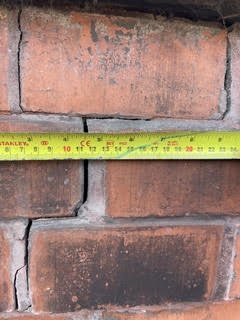
Subsidence does not always look dramatic at first. Small changes that repeat, widen or appear in clusters can be more important than one isolated hairline crack.
Read more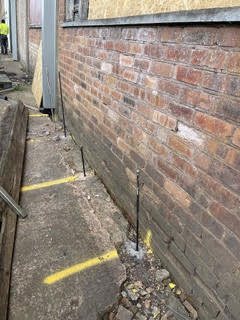
Underpinning is well known, but it is not the only way to stabilise a building. Resin injection is a modern alternative for suitable ground improvement and foundation strengthening projects.
Read more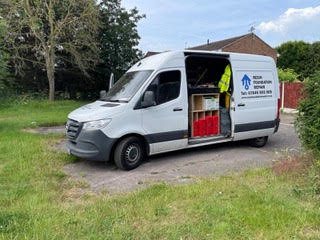
Foundation repair pricing depends on the cause, the size of the treatment zone, access and the evidence required. A quick quote without understanding the property is rarely helpful.
Read moreFAQ
Straight answers before you book a survey.
Fresh diagonal or stepped cracks are common early signs, especially around doors, windows and extensions.
Often, yes. Where the issue is suitable for resin injection, foundations can be stabilised without major excavation.
If you believe your home is actively subsiding, check your policy and consider speaking with your insurer. We can still help you understand the practical repair route.
Let's stabilise the problem
Send photos, tell us where the property is and choose whether you want a fast quote or a free home survey.