
Where risk is higher
Older homes with shallow foundations, clay soils, large nearby trees and hot dry summers can be more vulnerable to seasonal movement.
Resource guide
Trees do not normally push foundations over. The risk is usually moisture change in shrinkable clay soils, where roots draw water from the ground and the clay shrinks.
Older homes with shallow foundations, clay soils, large nearby trees and hot dry summers can be more vulnerable to seasonal movement.
Tree species, distance, crack timing, soil type, root evidence and monitoring data can all influence the repair plan.
The solution may involve vegetation management, monitoring, drainage checks and foundation or ground stabilisation where movement has damaged the building.
Free initial advice
If the symptoms match your property, the next step is a practical assessment.
Keep reading
Useful resources linked to this topic.
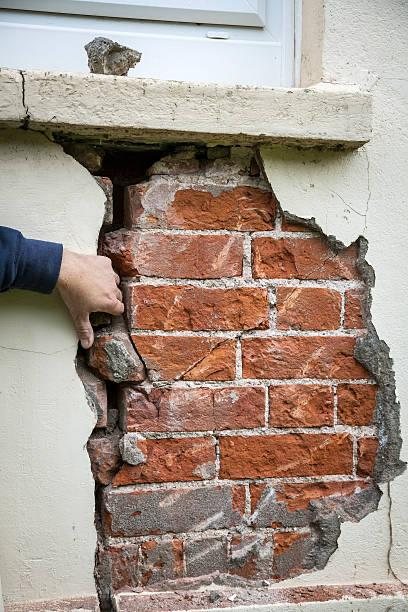
Subsidence is downward movement of the ground that causes part of a building to lose support. It can create cracks, distortion, uneven floors and problems with doors or windows.
Read more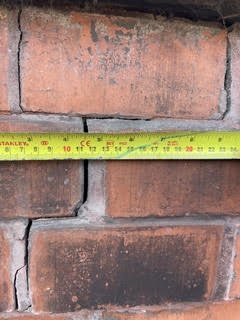
Subsidence does not always look dramatic at first. Small changes that repeat, widen or appear in clusters can be more important than one isolated hairline crack.
Read more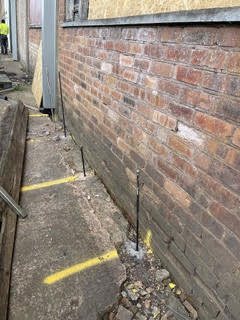
Underpinning is well known, but it is not the only way to stabilise a building. Resin injection is a modern alternative for suitable ground improvement and foundation strengthening projects.
Read moreFAQ
Straight answers before you book a survey.
Do not rush into tree removal. Sudden changes can cause heave in some soils. Get professional advice first.
It can help stabilise affected support zones in suitable cases, but moisture cause and soil behaviour must be considered.
Seasonal clay shrinkage often shows in dry periods, but drainage and other causes can occur at any time.
Let's stabilise the problem
Send photos, tell us where the property is and choose whether you want a fast quote or a free home survey.